

Pest and mold red flags to check before signing an apartment lease
By Ross Quade · Updated 2026-06-12
This is general information about identifying pest and moisture problems, not medical advice. If you or a household member has a mold-related health condition, a healthcare provider can advise on specific exposure risks.
Pest and moisture issues are among the most frequently mentioned complaints in renter feedback across Greater Austin apartment communities, alongside praise for the same properties’ maintenance responsiveness. The two often go together: a property with fast maintenance response tends to catch small pest and leak issues before they become a real problem, while slower response times let both fester. Here is what to check before you sign, not after.
What to look for during a tour
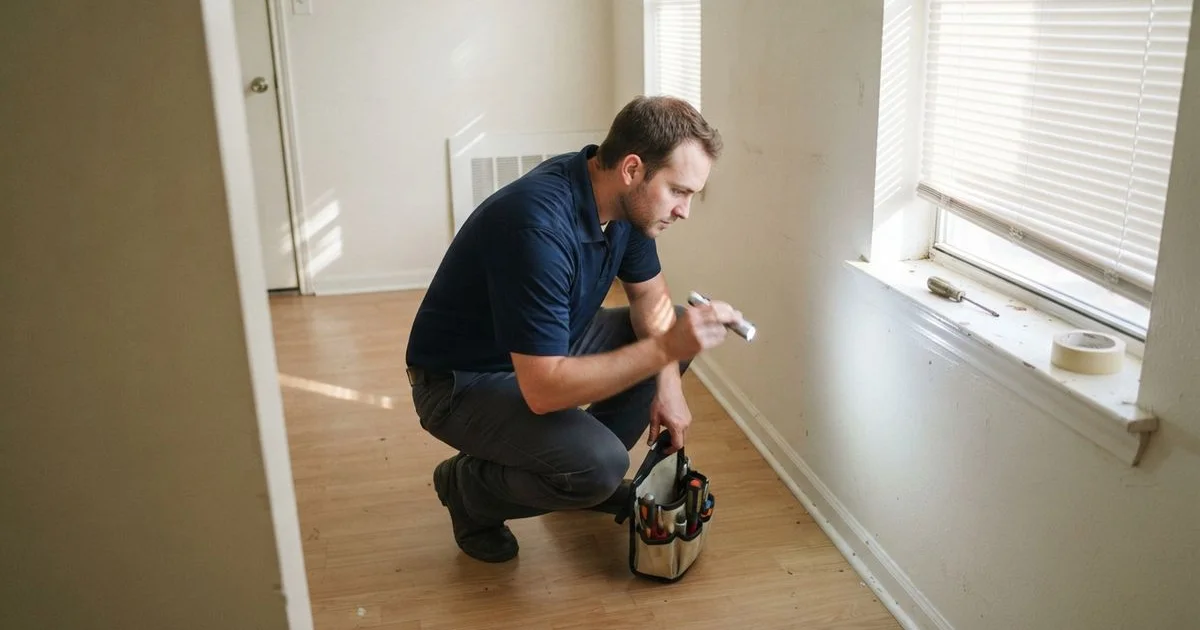
Walk the unit slowly rather than following the leasing agent’s pace, and pay attention to a few specific things:
- Musty or overly floral smells, particularly in bathrooms, closets, and near exterior walls, which can indicate hidden moisture even when nothing is visibly wet.
- Discoloration, bubbling paint, or soft spots on ceilings and around windows, which often point to a slow leak rather than a one-time spill.
- Small dark droppings or a chemical pest-control smell near baseboards and under sinks, which can indicate a recent treatment for an active problem.
- Gaps around pipes, under sinks, and around door thresholds, which are common entry points for roaches and rodents in older buildings.
None of these alone means walk away, but more than one together is worth asking the leasing office about directly. The same tour is a good time to check for noise and thin walls too, since both are easiest to catch before you sign, not after.
Questions worth asking before you apply
Ask specifically whether the unit has had a pest treatment in the past six months and, if so, for what. A leasing agent who answers vaguely or deflects is telling you something different than one who gives a straight answer about a treated ant problem that was resolved. Also ask how maintenance requests are logged and how quickly pest and leak issues typically get addressed, since a fast general maintenance reputation is a reasonable proxy for how these issues get handled.
| Question | What a good answer sounds like |
|---|---|
| Has this unit had pest treatment recently? | A specific answer about what, when, and whether it resolved |
| How fast does maintenance respond to leak reports? | Same-day or next-day for anything water-related |
| Is there a history of mold remediation in this building? | Direct disclosure, not deflection |
| What is the trash and pest control schedule for the property? | A specific, regular schedule, not “as needed” |
Ground floor and older buildings need extra attention
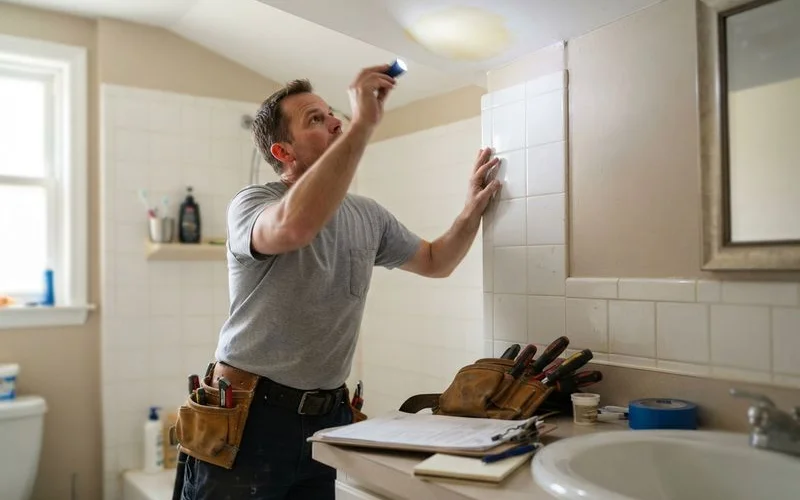
Ground-floor units near dumpsters, shared trash chutes, or older plumbing lines tend to see more pest activity than upper floors in newer construction, simply due to proximity and building age. That does not mean avoid ground-floor units entirely, since many are otherwise excellent, but it does mean give them a slightly closer look during the tour and ask more directly about the building’s pest control schedule.
What to do if you find a problem after moving in
If you notice signs of pests or moisture after signing, report it in writing right away rather than waiting to see if it resolves on its own. Texas habitability law requires landlords to make a diligent effort to fix conditions that materially affect health and safety once properly notified, and a written, dated request creates the record you would need if the issue becomes a larger dispute. Keep photos from the day you first notice the issue, since they establish a clear timeline.
Follow up if the first request goes unanswered for more than a few days, and keep each follow-up in writing rather than switching to a phone call you cannot document later. A pattern of ignored written requests matters if the issue escalates into a habitability dispute down the line.
The bottom line
A single ant near a windowsill during a tour is not a red flag. A musty smell in a closet, a recently painted-over water stain, or a leasing agent who will not answer a direct question about pest history is worth taking seriously before you sign. Our homepage has our full coverage of Greater Austin apartment communities, and our methodology page explains how resident feedback, including complaints like these, factors into how we score every listing.
FAQ
- Are roach problems common in Austin apartments?
- Roaches show up in recurring resident complaints across Greater Austin, especially in older buildings and ground-floor units near shared trash areas. It is common enough to be worth checking during a tour, not a sign of a specific bad property.
- How can I tell if there is mold before I sign?
- Look for musty smells, discoloration on ceilings or around windows, and peeling paint or warped baseboards, especially in bathrooms and near exterior walls. A strong air freshener smell during a tour is worth a second look.
- Can I ask about a unit's pest history before applying?
- Yes. Asking the leasing office directly about recent pest treatment in the specific unit and building is a reasonable question, and how they answer tells you something too.
- What should I do if I find mold after moving in?
- Report it in writing immediately and keep photos and a copy of your request, since Texas habitability law requires landlords to address health and safety issues after proper written notice.